


Key takeaways
- Start with a short core list: a few desks and ergonomic chairs, one printer, basic stationery, a shredder and lockable filing, then add items as the team grows.
- Small businesses with 1 to 4 staff spend the most per head on supplies, roughly $77 to $92 per employee each month, so controlling waste matters early (Toner Buzz, 2023).
- Proper ergonomics can raise productivity by up to 25% and cut muscle fatigue risk by up to 60%, which makes a decent chair a priority, not a luxury (University of South Florida, 2024).
- Buy consumables in sensible bulk, standardise on one or two printer models, and lean on a single supplier for furniture, equipment and stationery to simplify ordering.
The core office supplies checklist for a new business is short: a desk and a supportive chair per person, a laptop or PC, one multifunction printer, basic stationery, a shredder and lockable storage. Everything beyond that should be bought as the work demands it, not before. This guide lists the office supplies for a new business in the order you will actually use them, with notes on specifications, ergonomics and how to spend without waste.
South African startups and small teams often make the same mistake: they either under-buy and spend their first weeks improvising, or they over-buy a showroom's worth of kit before anyone has sat down to work. A tighter approach saves money and keeps the office functional from the first morning. Office Stock Group has supplied offices, schools and businesses across the country since 2007, and the pattern below reflects what new offices genuinely need first.
Building Your Office Supplies Checklist: Essentials First
Before buying anything, split your list into two columns: what the business cannot run without on day one, and what can wait. The first column is small. A person needs somewhere to sit, a stable surface, a device, and the means to write and print. The second column, which swallows most of the budget when startups are not careful, includes decorative furniture, spare monitors, novelty stationery and equipment bought "in case".
A useful test: if removing an item would stop someone working tomorrow, it belongs in column one. If it only makes the office feel more established, it belongs in column two. New businesses tend to invert this, buying for the office they imagine in two years rather than the one they have this week.
Spending discipline matters most when teams are small. Businesses with one to four employees spend roughly $77 to $92 per employee each month on office supplies, more per head than larger firms, which drop to around $27 to $32 per employee at 200-plus staff (Toner Buzz, 2023). Small teams carry the highest per-person cost because they cannot spread bulk purchases across many people. Knowing this early helps you resist buying in quantities you will not use.
Must-Have Stationery and Desk Essentials From Day One
Stationery is the cheapest part of the list and the first thing people reach for, so get it right and keep it simple. A working desk needs only a handful of items to be productive: something to write with, something to write on, a way to fasten papers and a way to keep a few things tidy. Buy these in modest quantities first, then reorder what actually runs out.
A practical starter set per desk looks like this:
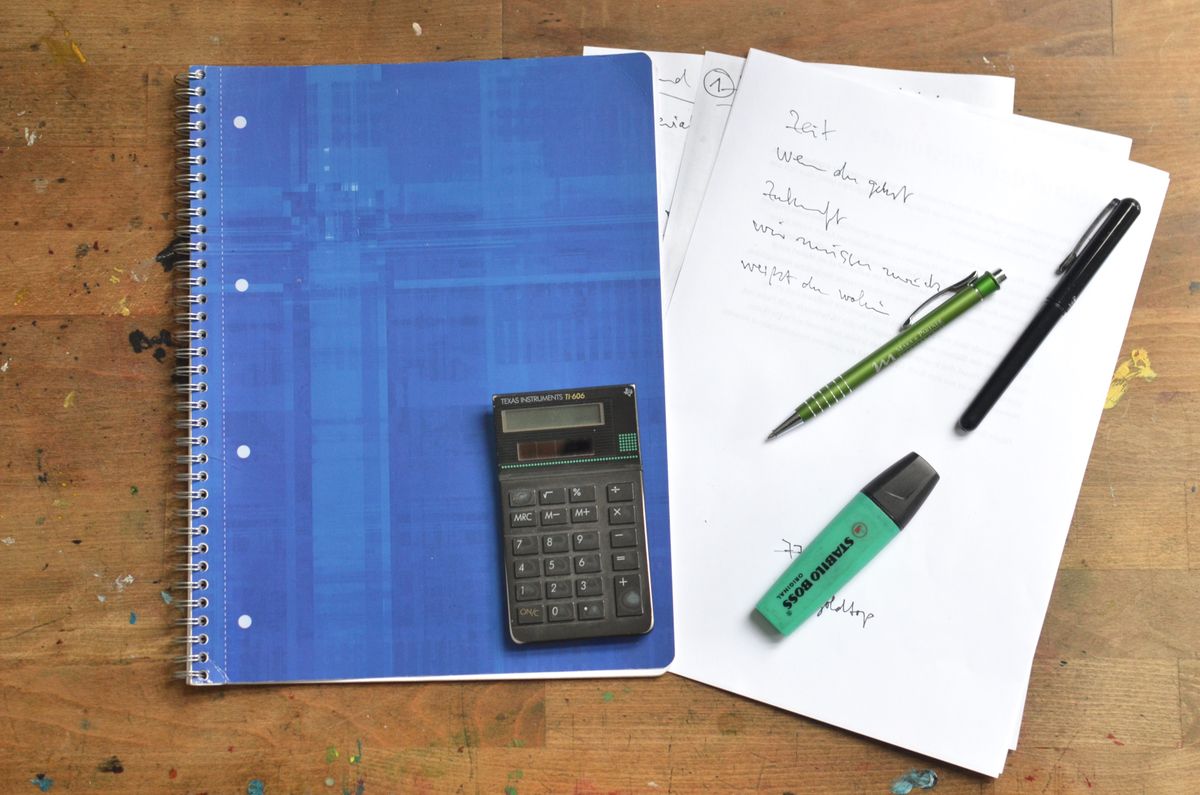
- Blue and black ballpoint pens, plus one or two highlighters
- An A4 notebook or pad, and a pack of sticky notes
- A stapler with staples, and a staple remover
- Paper clips, binder clips and a small tape dispenser
- A pair of scissors and a ruler
- A desk tidy or pen pot to stop clutter spreading
For the shared space, add a ream or two of A4 80gsm paper, a box of A4 envelopes, a few manila folders, a pack of lever-arch files and a whiteboard marker set if you have a presentation board. Keep a central stationery drawer or shelf rather than handing everyone their own box; it reduces duplication and makes it obvious when stock is low.
Resist buying specialist items until a task requires them. Laminating pouches, a guillotine, coloured card, branded folders and large volumes of printer paper can all be added once you know your real usage. A new office rarely needs five staplers in week one.
Equipment: Printers, Shredders and Tech Accessories
Equipment is where budgets slip, so buy one capable machine rather than several single-purpose ones. For most small offices, a single multifunction printer that prints, scans and copies covers the daily workload. Choose it on running costs as much as purchase price: a cheap inkjet with expensive cartridges can cost more over a year than a modest laser with high-yield toner. Standardise on one model so staff learn one set of controls and you stock one type of consumable.
The equipment shortlist for a new office usually includes:
- A multifunction laser printer or copier, sized to your print volume
- A document shredder, cross-cut for anything with personal or financial data
- A basic calculator or two for finance and reception
- Power strips with surge protection, and a few spare cables
- A kettle, and the basics for a small kitchen or breakroom
Do not skip the shredder. South Africa's Protection of Personal Information Act makes secure disposal of documents containing personal data a real obligation, and a cross-cut shredder is the simplest way to comply when you are throwing out printed records, invoices or old applications. Match the shredder's sheet capacity and bin size to how much paper you expect to destroy; an under-sized machine jams and gets ignored.
Tech accessories are easy to over-order. A laptop stand, an external keyboard and mouse, and a second monitor genuinely help staff who sit at a desk all day, and they support better posture. Beyond that, add accessories as specific needs appear rather than buying a drawer of adapters nobody uses. Office Stock Group stocks printers, shredders and office equipment alongside furniture, so a new office can source the hardware and the desk it sits on in one order.
Connectivity and Admin Basics Behind the Supplies
Physical supplies only work if the office can actually connect and run, so settle the invisible essentials alongside the desks and pens. A new business can have every pen and folder in place and still stall on day one if nobody can get online or print over the network. These items rarely appear on a stationery list, yet they decide whether the office functions from the first hour.
Sort these before the team arrives:
- A business internet line, ideally fibre, with a backup option such as an LTE router for load-shedding and outages
- A WiFi router placed centrally, plus a few Ethernet points for devices that need a stable wired link
- A UPS or two to keep the router, a PC and the alarm running through short power cuts, a practical need in South Africa
- Email addresses on your own domain, a shared calendar and somewhere to store files everyone can reach
- Simple accounting or invoicing software, and a labelled folder for every statutory registration
Load-shedding changes the equation for a South African startup. A desktop PC that loses power mid-task is a liability, so many small offices favour laptops, which carry their own battery, and keep the network gear on a UPS. Plan the power and connectivity layer with the same care as the furniture; it is cheaper to run a few extra cables before the desks are in place than to retrofit them around a full office.
Furniture Basics for a Functional First Office
Furniture is the largest single cost, so prioritise the pieces people use for hours, chiefly desks and chairs. A functional first office does not need a boardroom suite or a designer reception. It needs a stable desk and a supportive chair for every person, somewhere to meet, and somewhere to store things. Everything else can follow once the team settles and you know how the space is used.
The ergonomics case for spending on seating is strong. Proper ergonomics can increase productivity by up to 25% and reduce the risk of muscle fatigue by up to 60%, while work-related musculoskeletal disorders account for 34% of all workdays lost to occupational injury or illness (University of South Florida, 2024). For staff seated most of the day, a chair with adjustable height, seat depth and lumbar support is a working tool, not an indulgence. Mesh-backed chairs suit warm South African offices because they breathe.
A sensible furniture starting point:
- One desk per person, 1200mm to 1500mm wide, with a cable port if possible
- One adjustable ergonomic chair per desk, with a draughtsman or stacker option where needed
- A small meeting table and a few stacker chairs for discussions and interviews
- A couple of reception or waiting chairs if clients visit
- Enough general lighting and a desk lamp or two for detailed work
Match the chair to the role. A reception or hot-desking area can use hard-wearing stacker chairs, a studio or counter needs a draughtsman chair with a footring, and anyone at a screen all day needs a properly adjustable task chair. For a full breakdown of options and current deals, see our guide to office chairs for sale in South Africa. If your team is partly remote, the same posture principles apply at a home desk, so a supportive chair and a screen at eye level still matter.
Storage and Filing to Stay Organised Early
Set up storage before paper accumulates, because retrofitting order onto a cluttered office is far harder. Even a mostly digital business generates physical documents: signed contracts, compliance records, tax paperwork, receipts and the occasional printed reference. A new office needs a place for current files within arm's reach and a place for archived records out of the way.
Build storage in three layers:
- Desk-level: a drawer pedestal or small filing tray for live documents each person is working on
- Room-level: a steel filing cabinet or a storage cupboard for the team's shared current files
- Archive-level: lockable steel cupboards or lockers for records you must keep but rarely touch
Steel storage earns its place in a first office because it is durable, lockable and resistant to damp and pests in a way that cheap board furniture is not. Lockable steel cupboards and lockers also help with compliance, keeping personal and financial records secure rather than sitting in an open tray. If your business handles tools, stock or equipment, add heavy-duty shelving rather than piling boxes in a corner.
Label everything from the start and agree a simple filing convention before the first documents land. A basic system, one cabinet drawer per category, files dated and named consistently, prevents the common startup problem of nobody being able to find the lease or the insurance policy six months in. Buy slightly more filing capacity than you think you need; paper expands to fill the space available, and running out mid-year is a nuisance.
Breakroom, Cleaning and the Small Things That Get Forgotten
The items new offices forget are rarely the expensive ones, so keep a short list of consumables and welfare supplies. A desk and a laptop get all the attention, but a working office also needs clean floors, a functioning kettle and somewhere to make tea. These are cheap, easy to overlook, and quickly missed when they are absent on the first morning.
A practical catch-all list:
- A kettle, mugs, teaspoons and basic tea, coffee and sugar
- A small fridge or microwave if staff eat lunch on site
- Hand soap, paper towels or a hand dryer, and toilet rolls
- Cleaning supplies: surface spray, cloths, a broom, a mop and bin bags
- A first-aid kit and a fire extinguisher, both of which are workplace basics
- Waste and recycling bins for each room
None of this is glamorous, but a clean, stocked office signals that the business is run properly, which matters when clients or candidates visit. Keep a reorder list on the kitchen wall or in a shared note so the person doing the next supply run knows what is low. Office Stock Group carries cleaning supplies and breakroom basics alongside furniture, which means these forgotten items can ride along on the same delivery as the desks.
How to Stock Up Without Overspending
The fastest way to control startup costs is to buy less, buy once, and buy from fewer places. New businesses waste money in predictable ways: over-ordering consumables, buying premium furniture before they need it, and splitting purchases across many suppliers so nothing qualifies for bulk pricing. A few habits keep spending sensible without leaving the office short.
Practical ways to spend well:
- Buy consumables in sensible bulk, not maximum bulk. Paper and toner store well; branded folders and specialist supplies do not if your needs change.
- Standardise on one or two printer and chair models so consumables and spares are interchangeable.
- Phase furniture purchases. Fit out the desks people use now, and add meeting or reception furniture once the team is settled.
- Consolidate suppliers. One order for furniture, equipment and stationery means one delivery, one invoice and better leverage on price.
- Track your first three months of spending against the rough benchmark of per-employee cost, then adjust before habits set.
Remember that the smallest teams carry the highest per-head supply cost, so waste hurts more when you have four staff than when you have forty. Every item that sits unused in a cupboard is budget that could have gone to something the business actually needs.
For bulk or tender-ready orders, a supplier that handles planning, delivery and installation across the country removes a lot of the friction. Office Stock Group supports procurement teams with bulk ordering and project support from planning to installation, which is useful when you are furnishing a whole office at once rather than a desk at a time.
Scaling the Checklist as the Business Grows
Treat the day-one list as version one, and expand it deliberately as headcount and activity grow. The supplies that suit a three-person startup will not suit a fifteen-person team, but the way you scale matters. Adding in planned steps, tied to real need, keeps the office functional without repeating the early mistake of buying ahead of demand.
Clear triggers for the next purchase round:
- A new hire: one more desk, chair, and a starter stationery set, ordered before their first day
- A meeting problem: if people are standing in corridors to talk, add a proper meeting table and a presentation board
- A storage squeeze: when current filing overflows, add a cabinet rather than cramming drawers
- A print bottleneck: if one printer causes queues, add a second rather than upgrading to an oversized machine too early
Businesses in specific sectors scale differently. A training centre or small school adds classroom furniture and more robust seating, covered in our school furniture buying guide, while a cafe or guesthouse reception leans toward hospitality seating, as set out in our guide to choosing restaurant chairs and tables. Match each purchase round to what the business is actually doing, and the checklist stays lean as it grows.
A Simple Starter Budget Order
Pull the whole checklist into a single first order so the office is ready before anyone arrives. Working top to bottom, a two to four person startup can open its doors with a modest, well-chosen set of items rather than a sprawling shopping list. The goal is a functional office on day one, with clear room to add as the team grows.
A sensible first order, per person where relevant:
- Furniture: one desk and one ergonomic task chair per person, plus a small meeting table and a few stacker chairs
- Equipment: one multifunction laser printer, one cross-cut shredder, power strips and a couple of calculators
- Stationery: pens, pads, sticky notes, a stapler, clips, tape, scissors, A4 paper, files and envelopes
- Storage: a drawer pedestal per desk and one lockable steel filing cabinet or cupboard
- Welfare: kettle, mugs, cleaning supplies, bins, a first-aid kit and a fire extinguisher
Order these together and you consolidate delivery, simplify the paperwork and give yourself a single point of contact if anything needs replacing. That is the practical advantage of sourcing furniture, equipment and consumables from one place rather than assembling an office piece by piece from different shops.
Getting the Checklist Right for Your Office
The right checklist depends on who sits in the office and what they do, so adapt the lists above to your own team before you order. A design studio weights its budget toward draughtsman chairs and large desks; a call centre needs durable task chairs and headsets; a professional services firm leans on good storage and a reliable printer. Start from the core list, then layer on the specifics your work demands.
If you are furnishing a new office and want a single supplier to handle the furniture, equipment, storage and stationery in one go, request a quote from Office Stock Group or browse the relevant category to build your starter order. With bulk pricing, countrywide delivery and project support from planning to installation, it is a straightforward way to open a new office that works from the first morning, without the overspending that catches so many startups out.
Frequently asked questions
What office supplies do I actually need on day one?
A working desk and a supportive chair per person, a laptop or PC, one multifunction printer, pens, paper, a notebook, sticky notes, a stapler and a lockable drawer or cabinet. Everything else can wait until you see how the team works.
How much should a small business budget for office supplies?
Spending varies with headcount and sector. Research suggests the smallest businesses, with one to four staff, spend roughly $77 to $92 per employee each month, more per head than larger firms (Toner Buzz, 2023). Track the first three months, then refine your budget.
Is it worth buying an ergonomic chair for a startup?
Yes. Proper ergonomics can increase productivity by up to 25% and reduce muscle fatigue risk by up to 60% (University of South Florida, 2024). For staff seated most of the day, a supportive chair pays for itself in comfort and fewer sick days.
Should I buy office furniture and supplies from one supplier?
Using one supplier for furniture, equipment and consumables cuts admin, simplifies delivery and often unlocks bulk pricing. It also makes warranties and reordering easier, which matters when you are busy running a new business.